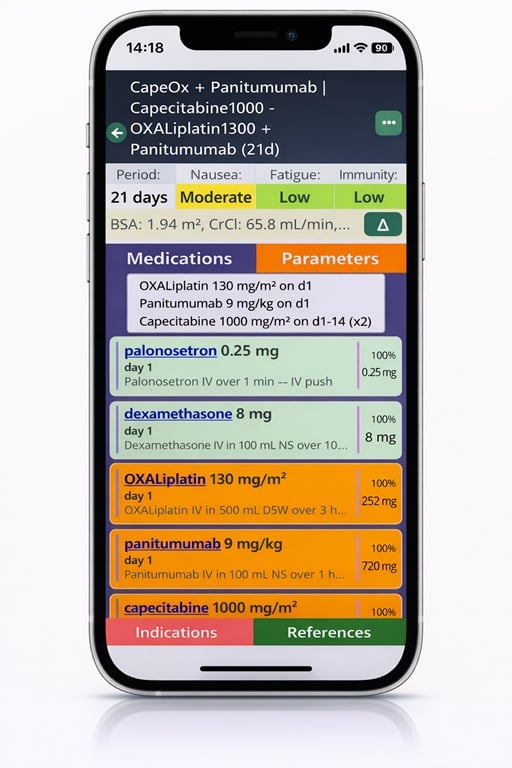
Capecitabine is an oral chemotherapy medicine. Your body turns it into 5-fluorouracil (5-FU) after you swallow it. It is used to treat several types of cancer, often with other drugs.
Brand Name(s)
- United States: Xeloda (discontinued)
- Canada: ACH-Capecitabine
- Canada: Mint-Capecitabine
- Canada: SANDOZ Capecitabine
- Canada: TARO-Capecitabine
- Canada: TEVA-Capecitabine (discontinued)
- Canada: Xeloda (discontinued)
Warning(s)
- DPD deficiency: A lack of the enzyme dihydropyrimidine dehydrogenase (DPD) can cause severe and sometimes deadly side effects. You may be tested for DPD deficiency. Tell your care team if you know you have it.
- Serious bleeding with blood thinners: Capecitabine can raise bleeding risk, especially with warfarin and similar drugs. Bleeding has happened during treatment and up to a month after stopping. If you take a blood thinner, your team may check your blood more often.
- Dehydration and kidney problems: Ongoing vomiting, diarrhea, or poor intake can lead to dehydration and kidney injury. Watch for dry mouth, dark urine, dizziness, or less urination.
- Low blood counts and infection risk: This medicine can lower white cells, red cells, and platelets. You may get infections more easily and bleed or bruise more. Report fever, chills, sore throat, cough, mouth sores, or wounds that do not heal.
- Heart effects: Chest pain, shortness of breath, or an abnormal heartbeat can occur, sometimes suddenly. The risk is higher if you have heart disease now or in the past. Report new heart symptoms right away.
- Hand-foot syndrome (palmar-plantar syndrome): Redness, swelling, pain, tingling, or peeling on the palms and soles can happen. Severe cases can affect daily tasks and even fingerprints.
- Severe skin reactions: Rarely, serious rashes like Stevens-Johnson syndrome/toxic epidermal necrolysis can occur. Watch for blistering or peeling skin, red or irritated eyes, and sores in the mouth, nose, or eyes.
- Liver problems: Tell your team if you notice yellow skin or eyes, dark urine, right-sided belly pain, or unusual tiredness.
- Nervous system and eye effects: Dizziness, confusion, memory problems, trouble walking, numbness or tingling, eye pain, vision changes, or severe eye irritation can happen.
- Drug interactions: Allopurinol may make capecitabine work less well. Warfarin and similar blood thinners may raise bleeding risk. Always share a full list of your medicines, vitamins, and supplements with your care team.
- Vaccines: Some vaccines may not work as well or may raise infection risk while you are on chemotherapy. Ask your care team before getting any vaccines.
- Pregnancy and birth control: Capecitabine can harm an unborn baby. Use effective birth control while taking it and for 6 months after your last dose if you can become pregnant. If your partner can become pregnant, use birth control during treatment and for 3 months after your last dose. Tell your team right away if pregnancy occurs.
- Breastfeeding: Do not breastfeed during treatment and for 1 week after the last dose.
- Fertility: This drug may affect fertility in all genders. If you plan to have children in the future, talk with your care team.
- Older adults: People 65 and older may have a higher chance of side effects.
- Monitoring: You will need regular blood work and other tests to watch your counts, liver and kidney function, and how you are doing.
Kind of Cancers It Is Used For (not a complete list)
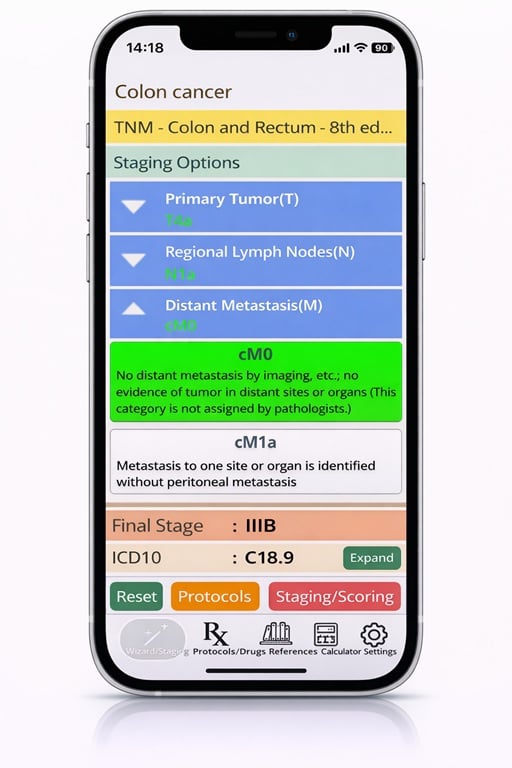
- Colon cancer (for example, after surgery in certain cases)
- Breast cancer (alone or with other medicines, such as docetaxel)
- Gastric (stomach) cancer
- Other cancers as part of combination chemotherapy, based on your care plan
Mechanism of Action
Capecitabine is a prodrug. After you take it by mouth, your body changes it into 5-fluorouracil (5-FU), mainly inside tumor tissue. This happens with help from an enzyme that is often higher in cancer cells.
5-FU blocks an enzyme called thymidylate synthase and can also get built into RNA and DNA. These actions stop cancer cells from making the DNA and proteins they need to grow and divide.
A different enzyme, DPD, helps break down 5-FU. If you have low DPD activity, 5-FU can build up and cause severe side effects.
Common Side Effects
- Diarrhea, nausea, vomiting, or upset stomach; decreased appetite
- Mouth sores or throat soreness
- Tiredness or weakness
- Hand-foot syndrome (tender, red, or peeling skin on palms and soles)
- Skin dryness, rash, or itching
- Nail changes (brittle, darkened, or ridged nails)
- Hair thinning or hair loss
- Headache or trouble sleeping
- Changes in taste
- Eye irritation or watery eyes
- Back, bone, joint, or muscle pain
- Flushing or feeling warm
- Stomach pain, constipation, or cramps
- Weight loss
Last reviewed: 2025-12-15