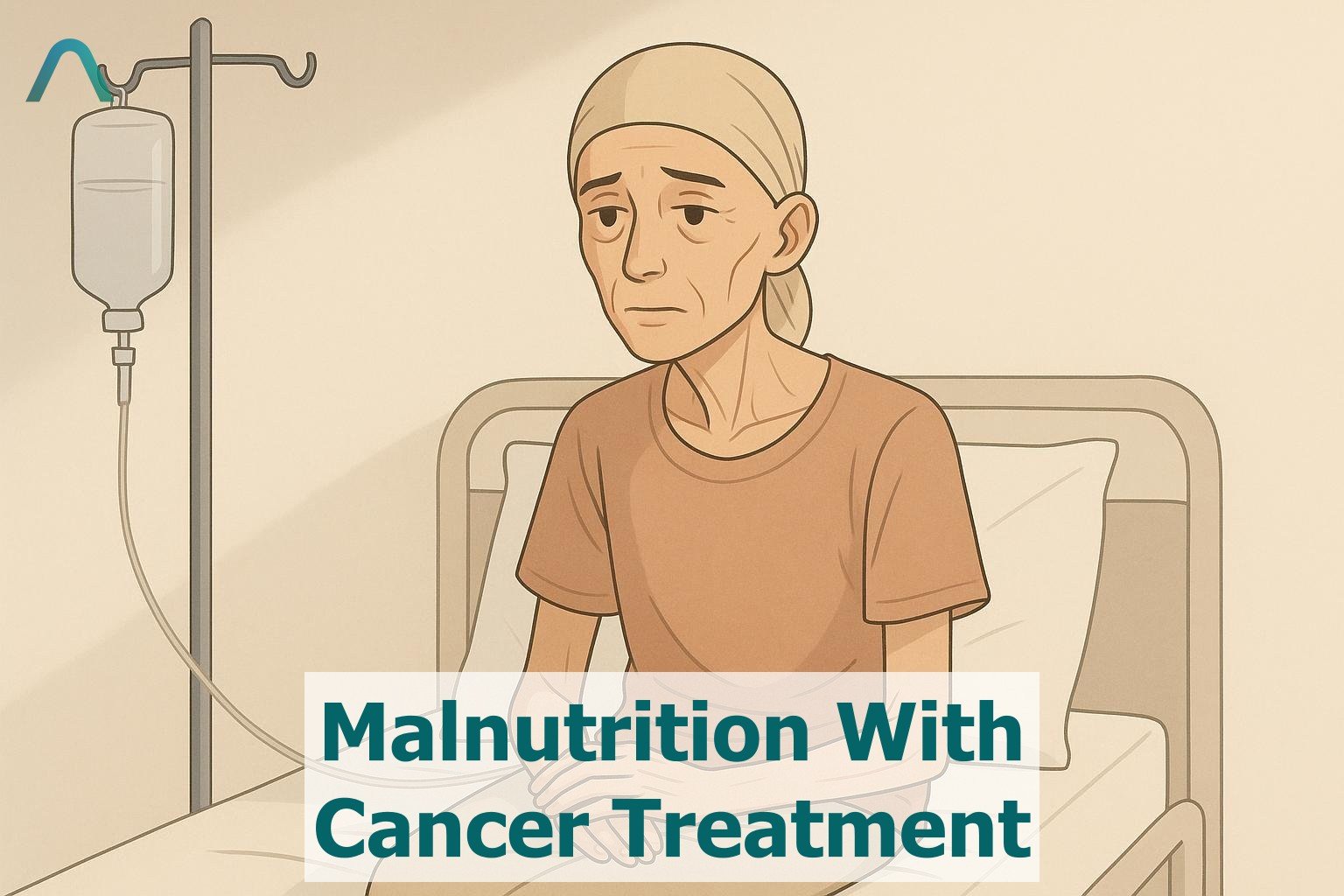
Malnutrition with Cancer Treatment
Cancer and its treatments can change how your body uses food. Malnutrition means your body is not getting the right nutrients to meet its needs. Your team might say you are “malnourished” if this is happening.
In this article, the word “malnutrition” refers to undernutrition—not getting enough nutrients. There is also overnutrition, which means getting too many nutrients, but that is not the focus here.
What is malnutrition?
Food is made of nutrients your body needs to work well. You need the right mix and enough of each.
- Macronutrients: proteins, fats, and carbohydrates. They give you energy and help build and repair the body.
- Micronutrients: vitamins and minerals. They support many body functions, like immunity, nerves, and bones.
You can have excess body weight and still be malnourished. For example, if you are not getting enough protein or key vitamins and minerals, your body can still be lacking.
Why it matters during cancer treatment
- Helps you keep strength and muscle for daily activities.
- Supports healing, immunity, and recovery between treatments.
- May help you tolerate treatments and reduce some side effects.
- Supports mood, energy, and overall quality of life.
Nutrition needs often change during treatment. Your oncology team and a dietitian can help you adjust your plan.
Common symptoms of malnutrition
- Losing weight without trying, or having a low body weight
- Loss of muscle or body fat
- Poor appetite or feeling full quickly
- Feeling very tired or weak
- Dry or thinning hair; dry, flaky, or slow-to-heal skin
- Low mood, irritability, or trouble concentrating
- Swelling in legs, feet, or hands (fluid buildup)
These symptoms can have many causes. Your care team can help find out what is going on.
What can cause malnutrition during cancer care?
- Limited access to nutritious food: Cost, transportation, or living far from stores can make it hard to get fresh foods.
- Not knowing what to eat: Nutrition is complex, and needs may change during treatment.
- Low appetite: Can be caused by cancer, treatments, pain, nausea, depression, or alcohol or substance use.
- Problems eating, chewing, or swallowing: Mouth sores, dry mouth, changes in taste or smell, nausea, vomiting, or trouble swallowing can lower intake.
- Cachexia: A condition linked to some cancers and other long-term illnesses. The body burns more energy and breaks down muscle, even if you try to eat more.
- Malabsorption: The small intestine does not absorb nutrients well, so nutrients pass through without being used.
- Eating disorders: Conditions like anorexia nervosa affect eating behaviors and nutrient intake.
- Serious illness, surgery, or injury: Recovery can make it hard to eat enough, especially in the hospital.
How is malnutrition diagnosed?
Your doctor, dietitian, or nurse will ask about your health, eating, and symptoms, and do an exam. They might also:
- Check your weight and changes over time
- Measure body fat or muscle, and sometimes grip strength
- Review food intake and symptoms that affect eating
- Order lab tests to look for vitamin or mineral problems and other issues
They may use simple screening tools to find people at risk early in care.
How is malnutrition managed?
The plan depends on the cause and how severe it is. Your team will work to treat the underlying problem and support your nutrition.
- Work with a dietitian: A dietitian helps you match your nutrition plan to your treatment, symptoms, culture, and budget.
- Oral nutrition supplements: Ready-to-drink shakes, powders, or bars can add calories and protein. Options are sold at grocery stores and pharmacies. Ask your team how to choose and use them.
- Nutrition support: If eating enough by mouth is not possible, you might receive tube feeding (into the stomach or small intestine) or IV nutrition. Your care team decides if and when this is appropriate.
- Medicines: Your team may adjust medicines for nausea, pain, or other symptoms. In some cases, appetite stimulants or steroids are discussed. Ask about benefits and risks for you.
- Vitamin and mineral supplements: These can help correct specific gaps. Do not start new supplements without discussing them with your team, since some can interact with treatments.
Daily tips that may help
These general ideas can make eating easier during treatment. Check with your team to tailor them to you.
- Try small, frequent meals and snacks every 2–3 hours.
- Include protein at each meal or snack (eggs, dairy, beans, tofu, fish, poultry, nut butters).
- Keep easy-to-eat foods on hand (yogurt, smoothies, soups, oatmeal, cottage cheese, soft fruits).
- If losing weight, choose nutrient-dense foods like nut butters, avocado, olive oil, full-fat yogurt, or powdered milk added to recipes.
- If your mouth or throat is sore, pick soft, moist foods and avoid very hot, spicy, or acidic items.
- If tastes are off, try cold foods, plastic utensils, or tart flavors if your mouth is not sore.
- Drink fluids regularly. If liquids are hard to tolerate, sip slowly and try broths, oral rehydration solutions, or ice chips.
- Set reminders to eat and drink. Ask family or friends to help with shopping and meal prep.
- Follow food safety steps: wash hands, cook meats fully, and refrigerate leftovers promptly.
Track and share with your care team
- Weekly weight and any fast changes
- How much you are eating and drinking each day
- Symptoms that affect eating (nausea, pain, constipation, diarrhea, mouth sores, taste changes)
- Any vitamins, herbs, or supplements you take
- Your goals and questions about food, culture, and budget
Key takeaways
- Malnutrition means your body is not getting the nutrients it needs.
- It can happen at any body size and is common during cancer care.
- Early screening, a personalized plan, and regular check-ins with your oncology team and a dietitian can make a big difference.
Helpful resources
- National Cancer Institute: Nutrition in Cancer Care (Patient)
- Oncology Nutrition (Academy of Nutrition and Dietetics)
- NIH Office of Dietary Supplements
Last reviewed: 2025-12-04